
Botox Myths Debunked by Board-Certified Dermatologists
If you have ever considered Botox, chances are you paused before scheduling.
Not because you were unsure about the outcome you wanted, but because something gave you reason to hesitate. An overdone result you saw somewhere. A comment about long-term effects. Conflicting advice made it harder to know what to believe.
That hesitation is understandable.
Botox is widely discussed but rarely explained with any clinical precision. When a medical treatment gets filtered through social media, forums, and word of mouth, the nuance that actually matters tends to disappear.
Board-certified dermatologists approach Botox differently. It is not treated as a trend or a quick cosmetic fix. It is a medical procedure grounded in anatomy, dosing precision, and long-term skin planning.
Before deciding whether Botox is right for you, it helps to separate common myths from medical reality. Here is what dermatologists want patients to understand.
Why Botox Is So Often Misunderstood
Botox is one of the most widely recognized cosmetic treatments in the world. Yet for something so common, it is frequently misunderstood.
Part of the confusion comes from what people see and how they interpret it. Extreme outcomes draw attention, while subtle, well-executed results often go unnoticed because they simply look natural.
Several factors contribute to this misunderstanding:
- Highly visible overcorrections. Dramatic celebrity results circulate widely. This shapes people’s perception even though they do not represent typical treatment.
- Confusion between injectables. Botox and dermal fillers are often grouped together, despite working in completely different ways.
- Variation in provider expertise. Outcomes depend heavily on anatomical knowledge, dosing precision, and technique.
- Oversimplified marketing language. Botox is sometimes described as an instant transformation rather than a controlled, muscle-targeted treatment.
Now, when the technique varies, the results vary. And unfortunately, patients often attribute those differences to the product itself rather than to the training behind it.
To make an informed decision, it helps to move beyond online noise and understand what Botox actually does, and what it does not.
Myth #1 – Botox Makes Your Face Look Frozen
This is the concern patients mention most often.
The fear is understandable. No one wants to lose expression or look unnatural. When people think of “bad Botox,” they usually picture a face that appears stiff, overly smooth, or unable to move.
In reality, Botox does not automatically create that effect. Unnatural results are typically the result of over-treatment, incorrect placement, or poor dosing strategy.
Botox works by temporarily relaxing specific muscles that cause dynamic wrinkles. It does not erase all movement. When administered conservatively and strategically, it softens lines while preserving natural facial expression.
A board-certified dermatologist evaluates:
- Which muscles are contributing to the lines
- How strong those muscles are
- How much movement should be preserved
- How Botox will affect overall facial balance
The goal is not to freeze the face. It is actually to reduce the repetitive motion that deepens wrinkles over time.
When treatment is individualized and precisely dosed, most people simply look rested or refreshed, not altered.
Myth #2 – Botox Is Unsafe or Toxic
The word “toxin” understandably raises concern.
Botox is derived from botulinum toxin, but in dermatology, it is used in highly purified, controlled doses that are localized to specific muscles.
It has been FDA-approved for cosmetic use for more than 20 years and has an even longer history in medical treatments such as migraines and muscle disorders.
When administered properly, Botox does not spread throughout the body or accumulate over time. It works at the injection site and gradually wears off.
The safety of Botox is well established when performed by a trained medical professional.
Like any medical treatment, mild side effects such as bruising or temporary swelling can occur. More significant complications are uncommon and are typically associated with improper technique.
Botox is not risk-free, but in qualified hands, it is considered predictable and safe.
Myth #3 – Botox Is Only for Older Adults
Botox is often associated with aging, but treatment decisions are not based on age alone.
Botox targets dynamic wrinkles such as lines formed by repeated muscle movement. In some individuals, these lines begin appearing in their late 20s or early 30s. In others, they develop much later. Botox is individualized, not age-based.
Some patients choose preventative treatment to soften muscle activity before lines deepen. Others may not need or want treatment at all. The decision depends on facial anatomy, muscle strength, skin condition, and personal goals.
A board-certified dermatologist evaluates whether Botox is appropriate based on those factors, not on a number. And starting earlier does not mean you must continue indefinitely. At the same time, waiting does not mean you have missed a window.
The right timing is personal and medically guided.
Myth #4 – Once You Start Botox, You Cannot Stop
Many patients worry that beginning Botox creates a long-term commitment.
This is not how Botox works.
Botox is temporary. Its effects gradually wear off over three to four months as muscle activity returns to normal.
If you decide to stop treatment, your muscles resume their usual movement pattern. Wrinkles return to their baseline appearance. They do not suddenly become worse because you stopped.
There is no physiological dependency. The reason some people continue treatment is preference, not necessity. They appreciate the smoother appearance and choose to maintain it.
Stopping Botox does not damage your skin, weaken your muscles permanently, or accelerate aging. The decision to continue or discontinue treatment remains entirely in your control.
Myth #5 – Botox and Dermal Fillers Are the Same Thing
Botox and dermal fillers are often grouped together, but they work in completely different ways.
Botox relaxes targeted muscles that cause dynamic wrinkles. Dermal fillers restore volume in areas that have lost fullness over time.
In other words, Botox addresses movement. Fillers address structure. For example, forehead lines caused by repeated muscle contraction respond to Botox. Volume loss in the cheeks or around the mouth is typically treated with filler.
A treatment that is designed to relax muscles will not replace lost volume, and a filler cannot reduce muscle-driven lines.
Choosing the correct product requires an understanding of facial anatomy and aging patterns. That is why proper evaluation matters before treatment is recommended.
When Botox and fillers are selected appropriately, the goal is balance and natural enhancement, not overcorrection.
Why Choosing a Board-Certified Dermatologist Matters
Botox is widely available today. It is offered in many settings, from medical offices to aesthetic facilities. But availability does not equal equivalence.
Botox is a medical treatment. The outcome depends not only on the product, but on the expertise behind it.
A board-certified dermatologist brings:
- Advanced training in facial anatomy, including how muscles interact and affect expression
- Precision in dosing and placement, reducing the risk of overcorrection
- Experience managing complications, even though they are uncommon
- A full skin assessment, not just a wrinkle-focused approach
- Medical oversight in a controlled clinical setting
Not all Botox filler facilities operate with the same level of medical supervision or training standards. While many providers offer aesthetic services, dermatologists are trained to understand both cosmetic goals and medical safety.
The difference is not about making treatment complicated. It is about ensuring it is done correctly, conservatively, and with long-term planning in mind.
When Botox is treated as a medical procedure rather than a quick service, outcomes tend to look more natural and predictable.
What a Proper Consultation Should Include
A thoughtful Botox treatment begins with a proper evaluation. Before recommending anything, a board-certified dermatologist should assess:
- Facial movement patterns and muscle strength
- Skin condition and wrinkle type
- Medical history and contraindications
- Your aesthetic goals and expectations
Botox should never be one-size-fits-all.
A proper consultation includes discussion of what Botox can realistically improve, what it cannot change, how long results typically last, and what side effects to expect.
This step protects natural results. It ensures that treatment aligns with your facial structure rather than following trends or standardized dosing.
Informed Decisions Lead to Natural Results
If you have felt unsure about Botox, it is likely because the information around it is inconsistent.
Botox is not about freezing your face or committing to something permanent. When administered thoughtfully, it is a precise treatment designed to soften movement-driven lines while preserving natural expression.
The outcome depends less on the product itself and more on the expertise guiding its use.
If you are considering Botox and want medically grounded advice, schedule a consultation with Farah Dermatology & Cosmetics. A professional evaluation helps ensure your decision is informed, personalized, and aligned with your goals.


Other Top Articles

How Dermatologists Manage Common Skin Concerns Alongside Cosmetic Treatments

Laser Hair Removal: How Many Sessions Do You Really Need?
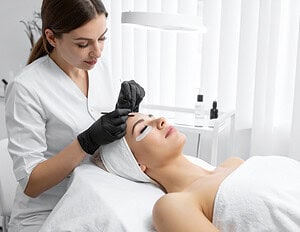
How Dermatologists Assess Facial Anatomy Before Recommending Botox Treatments

The Pre-Event Timeline: When to Visit a Botox and Filler Facility Before a Big Occasion

Beyond the Face: How Botox and Filler Facilities Treat Aging Hands and Neck

Why Professional Laser Hair Removal Is Safer Than At-Home Devices

Botox Myths Debunked by Board-Certified Dermatologists

How to Choose the Best Dermatologist in Syracuse, NY

The Role of Dermatologists in Correcting Botox and Filler Mistakes

